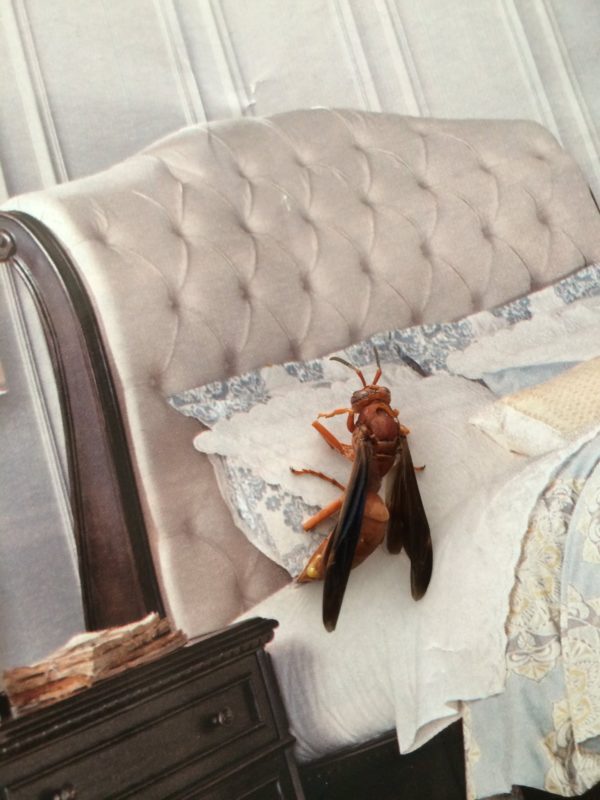
Somebody asked Stravinsky what he did when he didn’t have any ideas.
“I wait,” he said. “I wait… like an insect waits.”
Somebody asked Stravinsky what he did when he didn’t have any ideas.
“I wait,” he said. “I wait… like an insect waits.”
I have been working like a maniac lately, cranking out words. I expect a crash soon, but for right now, I’m trying not to lose momentum. When I’m working like this, I feel like my brain is on fire, and I remember why so many writers are alcoholics: when you’re thinking so intensely all day, sometimes booze is the only thing that will calm you down.
Something else I’ve noticed in this frenzied state: my creative energies aren’t really sapped if I switch over to other projects. My son will ask me to draw a new page in the book we’re writing together, or I’ll need to write a blog post for the day, and it just doesn’t faze me. I finished a first draft of something this morning, and I was up and looking around for something else to do, Hulk-ed out, like, “WHAT NOW? COME AT ME!!”
I’m also internalizing, finally, what Annie Dillard wrote in The Writing Life:
One of the things I know about writing is this: spend it all, shoot it, play it, lose it, all, right away, every time. Do not hoard what seems good for a later place in the book or for another book; give it, give it all, give it now. The impulse to save something good for a better place later is the signal to spend it now. Something more will arise for later, something better. These things fill from behind, from beneath, like well water.
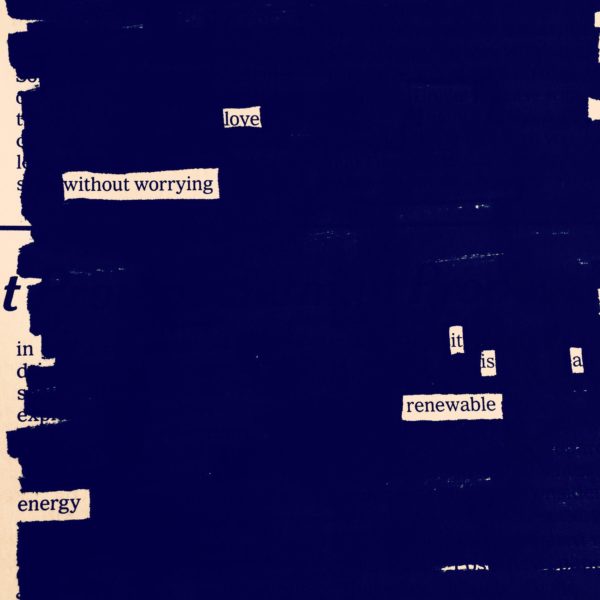
Creative energy is a renewable energy. Right now, I’m all charged up. I know that soon I’ll need to recharge again, but for now, baby, I’m burning, burning, burning.
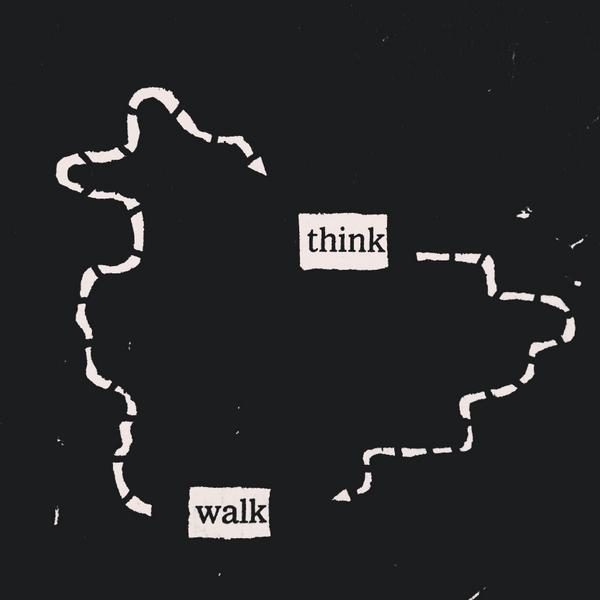
“Methinks that the moment my legs begin to move, my thoughts begin to flow.” —Thoreau
Almost every single morning, rain or shine, my wife and I load our two sons into a red double stroller (we call it The War Rig) and we take a 3-mile walk around our neighborhood. It’s often painful, sometimes sublime, but it’s always essential to our day. It’s when ideas are born, when we make plans, when we spot suburban wildlife, when we rant about politics, when we exorcise our demons.
That last one might be the most important. Here’s Linn Ullmann, on her father, the film director Ingmar Bergman:
My father was a very disciplined and punctual man; it was a prerequisite for his creativity. There was a time for everything: for work, for talk, for solitude, for rest. No matter what time you get out of bed, go for a walk and then work, he’d say, because the demons hate it when you get out of bed, demons hate fresh air.
These morning walks are so important to me, and so crucial to my work and home life, that I try to never plan anything before nine in the morning. They are also the reason why I, regrettably, almost never attend our local Creative Mornings meetups: every morning pushing The War Rig is a creative morning, and I just can’t afford to miss one.
Related reading: Get out now
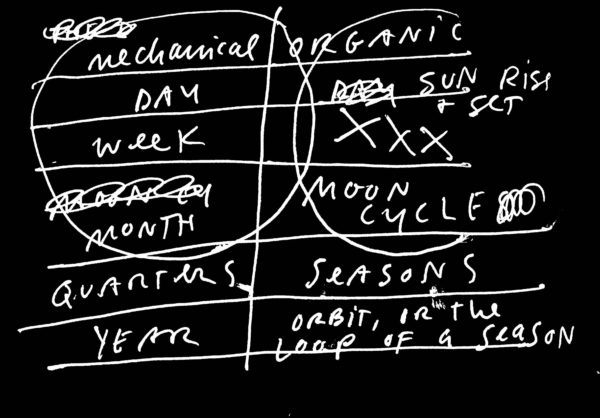
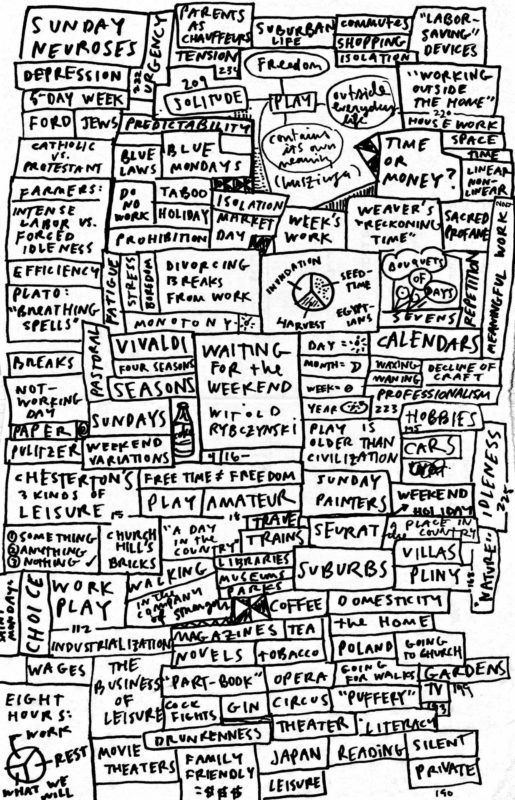
Last August I wrote about my belief in creative seasons, and after I read Matt Thomas’s great post about trying to live with the seasons, I doodled this little chart in my notebook, trying to map some of the markers of “clock time” to organic things that happen in nature, wondering if I could learn something by paying attention to them. Right away, you can see that the week is manmade, and therefore, so is the week-end, and with it, the “Sunday Blues” and other neuroses, which Witold Rybczynski writes about so well in Waiting For The Weekend.
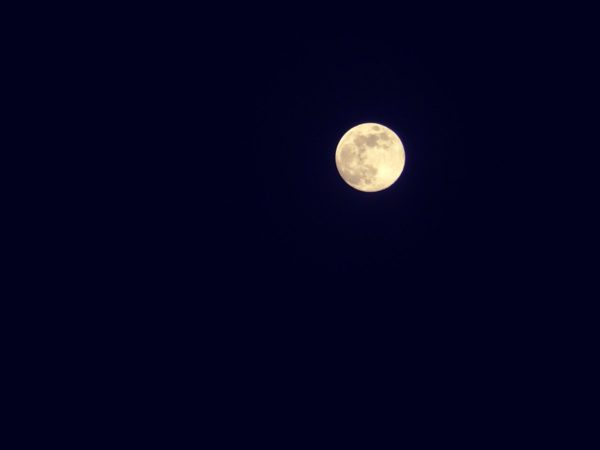
Other bits of clock time map approximately to nature’s doings. I find that the moon phases, for example, are much more interesting than months when tracking my own creative time. (Yes, I’ve become the kind of person who can guess what phase of the moon it is just by how shitty I feel.)
Still, the months are different characters that do different things for me, and it’s now October, my favorite month, and it feels a lot like how Henry David Thoreau described it, in a journal entry, dated November 14, 1853:
October is the month of painted leaves, of ripe leaves, when all the earth, not merely flowers, but fruits and leaves, are ripe. With respect to its colors and its season, it is the sunset month of the year, when the earth is painted like the sunset sky. This rich glow flashes round the world. This light fades into the clear, white, leafless twilight of November, and whatever more glowing sunset or Indian summer we have then is the afterglow of the year. In October the man is ripe even to his stalk and leaves; he is pervaded by his genius, when all the forest is a universal harvest, whether he possesses the enduring color of the pines, which it takes two years to ripen and wither, or the brilliant color of the deciduous trees, which fade the first fall.
I’m reminded of a sign you see in craft stores in Texas: “Happy fall, y’all.”
Note: This post became a section in my book, Keep Going.
After being a nun in Los Angeles for 30 years, Corita Kent moved to Boston to live quietly and make art. Her apartment had a big bay window with a maple tree out front, and she liked to sit there and observe the tree changing throughout the seasons. (Something much harder to do in Los Angeles, or here in Austin, Texas, where we have two seasons: hot and hotter.)
“That tree was the great teacher of the last two decades of her life,” her former student Mickey Myers said. “She learned from that tree. The beauty it produced in spring was only because of what it went through during the winter, and sometimes the harshest winters yielded the most glorious springs.”
An interviewer came to visit Corita and asked her what she’d been up to. “Well… watching that maple tree grow outside,” she said. “I’ve never had time to watch a tree before.”
I moved to this place in October and the tree was in full leaf then. I watched it lose its leaves. I watched it covered with snow. Then these little green flowers came out and it didn’t look like a maple tree at all. Finally the leaves were recognizable as maple leaves and that in a way is very much how I feel about my life. It seems a great new stage for me – whether it will ever be recognizable by anyone else I don’t know, but I feel that great new things are happening very quietly inside of me. And I know these things have a way, like the maple tree, of finally bursting out in some form.
For Corita, the tree came to represent creativity. In winter, she said, “the tree looks dead, but we know it is beginning a very deep creative process, out of which will come spring and summer.”
Creative work has seasons. Part of the work is to know which season it is, and act accordingly.
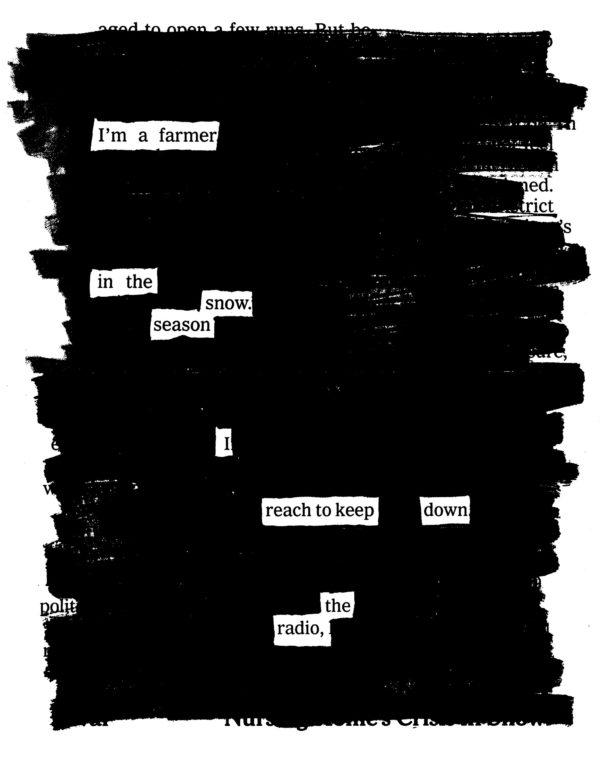
People occasionally wonder out loud when I’m going to write another book. “I don’t know,” I say. They ask me what I’ve been up to lately. “Not much,” I say. “Reading a bunch. Raising the boys.”
To an outsider, it sounds like I’m doing nothing. It looks like I’m doing nothing. But I feel very much like Corita: “new things are happening very quietly inside of me.”
It may be the hottest day of summer, but it’s winter in my world. There are processes at work that you can’t see.
Things waiting to burst forth.
This site participates in the Amazon Affiliates program, the proceeds of which keep it free for anyone to read.