We’re going to start a book club back up in the newsletter and I’m taking suggestions for what we should read.
Now, of course, is an excellent time to join the club and become a paid subscriber.

We’re going to start a book club back up in the newsletter and I’m taking suggestions for what we should read.
Now, of course, is an excellent time to join the club and become a paid subscriber.

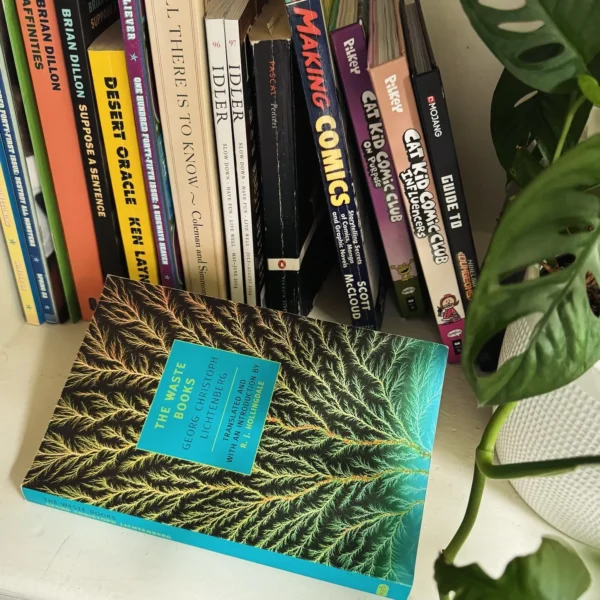
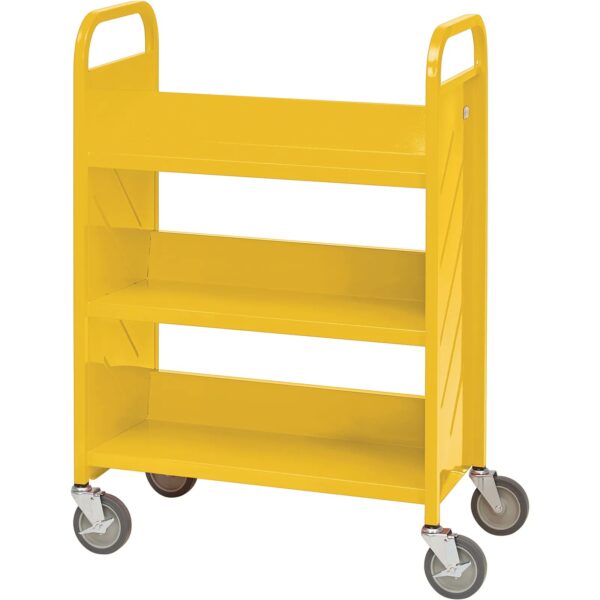
Here is the reading shelf in our bathroom. For the past month or two, I’ve been reading a few pages of G.C. Lichtenberg’s The Waste Books in there every day.
Here’s how Lichtenberg himself described a “waste book”:
Merchants and traders have a waste book… in which they enter daily everything they purchase and sell, messily, without order. From this, it is transferred to their journal, where everything appears more systematic, and finally to a ledger, in double entry after the Italian manner of bookkeeping, where one settles accounts with each man, once as debtor and then as creditor. This deserves to be imitated by scholars. First it should be entered in a book in which I record everything as I see it or as it is given to me in my thoughts; then it may be entered in another book in which the material is more separated and ordered, and the ledger might then contain, in an ordered expression, the connections and explanations of the material that flow from it.
Read more in today’s newsletter about always having a book with you.
Today’s newsletter begins:
Like many book nerds, I got sucked into the NYTimes list of 100 Best Books of the 21st Century. I am with Paul Ford that “Why Wasn’t I Consulted?” is the fundamental question of the internet, and so a list like this one is bound to get big clicks…
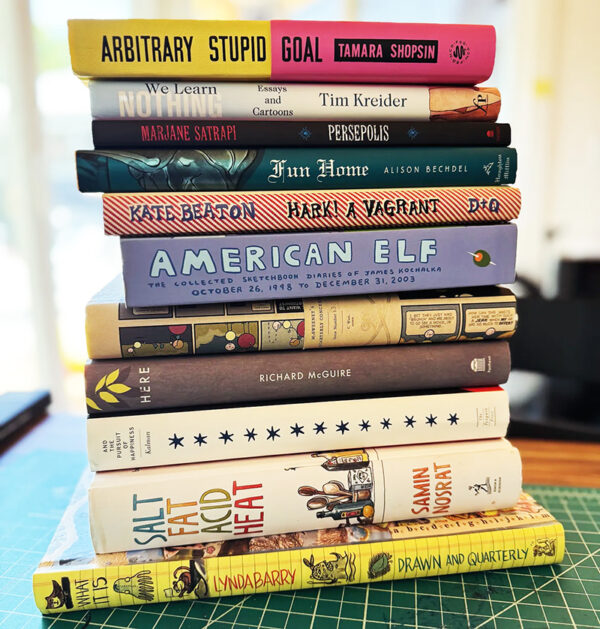
One thing that struck me is that only two (great) comics made the list — Alison Bechdel’s Fun Home (2006) and Marjane Satrapi’s Persepolis(2004).
I thought it might be fun for me to list a few more books from this century that have pictures and words that have made a big impact on me in the past 24 years…
No paywall today so you can read the whole thing here.

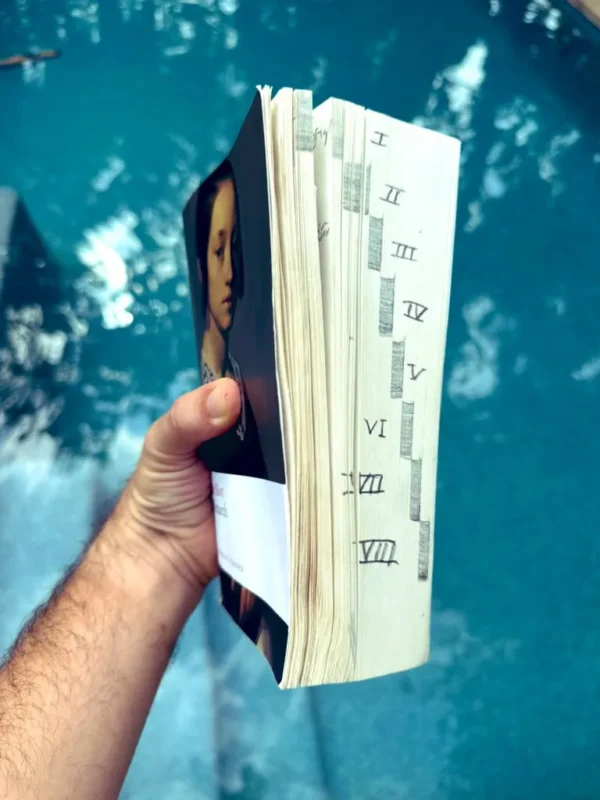
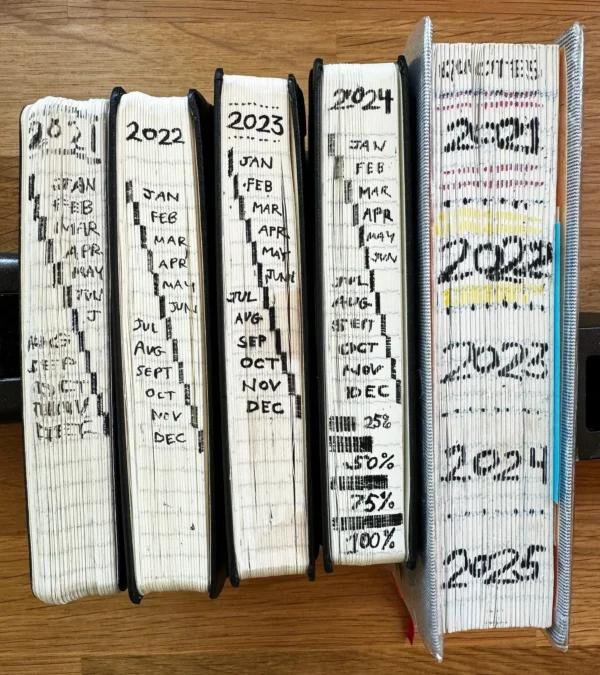
Tuesday’s newsletter was about making indexes on the fore-edge of your books and notebooks. Some truly nerdery, which was fun to write about. Read the letter here.

Here are all the books I finished in 2023. I am tempted to just leave them here in this big visual pile and say nothing else about them.
I’m tired of making these lists! And I often wonder if I stop making year-end lists if it will free me up even more to stop slogging through books I don’t like, to be even more promiscuous, read intros and articles and websites and PDFs and just generally be more reckless.
As I tweeted to Elisa Gabbert, who makes my favorite year-end list, I am “trying to fight my completist Brian.” I loved that typo — it was supposed to be “brain” but I like the idea of a completist Brian inside me that needs to be silenced. “Shut up, Brian!”
But I’ve had these reading lists going since 2006 and I just can’t let it die. So I’m just going to share a few books here that I already shared in the year-end newsletter.
* * *
Fiction
Don Quixote was the best book I read. I read it right around the solstice. Everyone will tell you to get the Edith Grossman translation, but what brought me the most joy was listening to David Case’s reading — his voices for the knight errant and his sidekick made me laugh and laugh. Instantly became one of my favorite books, one I will read again and again, I’m sure.
Frank Herbert’s Dune was perfect for August in Texas.
I loved Kurt Vonnegut’s Timequake, as I do most of his books.
Larry McMurtry’s All My Friends Are Going To Be Strangers was bawdy and fun.
Claire Keegan’s Small Things Like These packed a punch in a tight, short book.
I re-read 3 Charles Portis novels for the third time because I can’t seem to stop reading him — Donna Tartt’s audiobook of True Grit was sublime.
I read two hardboiled classics: James M. Cain’s The Postman Always Rings Twice and Raymond Chandler’s The Big Sleep.
I read Matilda and several Harry Potter books and Grimm Fairy Tales to my kids.
Gene Yang’s American Born Chinese was a perfect graphic novel.
* * *
Non-fiction
I turned 40, so the work of James Hollis came to me at just the right time. I found The Middle Passage and Finding Meaning in the Second Half of Life particularly helpful — no real answers, just good questions.
I enjoyed Nassim Nicholas Taleb’s Skin in the Game and Antifragile.
Annie Murphy Paul’s The Extended Mind gave me a really wonderful framework for thinking about my creative practices.
I liked Seneca’s wisdom and occasional bitchiness in Letters from a Stoic.
Melanie Mitchell’s Artificial Intelligence: A Guide for Thinking Humans is just that.
Geezer Butler’s Into The Void and Werner Herzog’s Every Man for Himself and God Against All were worth listening to just to hear them read.
Will Hermes’ biography, Lou Reed: The King of New York, was pretty much exactly the book I wanted it to be.
A delightful year-end surprise was Dwight Garner’s The Upstairs Delicatessen.
Box Brown’s The He-Man Effect: How American Toymakers Sold You Your Childhood and Bill Griffith’s Three Rocks: The Story of Ernie Bushmiller: The Man Who Created Nancy are about as good as non-fiction comics get.
* * *
Here is a map I tried to make of all these books and how they related to each other:

This year I would like to be more reckless than ever — I would consider it a great triumph, actually, if I finished fewer books, if I sampled and skimmed and scraped more books, and saved finishing for books where I can’t stop turning the pages.
It’s been almost 10 years since I made this list of 33 thoughts on reading. I feel that I might be getting closer and closer to living up to it.
Filed under: my reading years
This site participates in the Amazon Affiliates program, the proceeds of which keep it free for anyone to read.