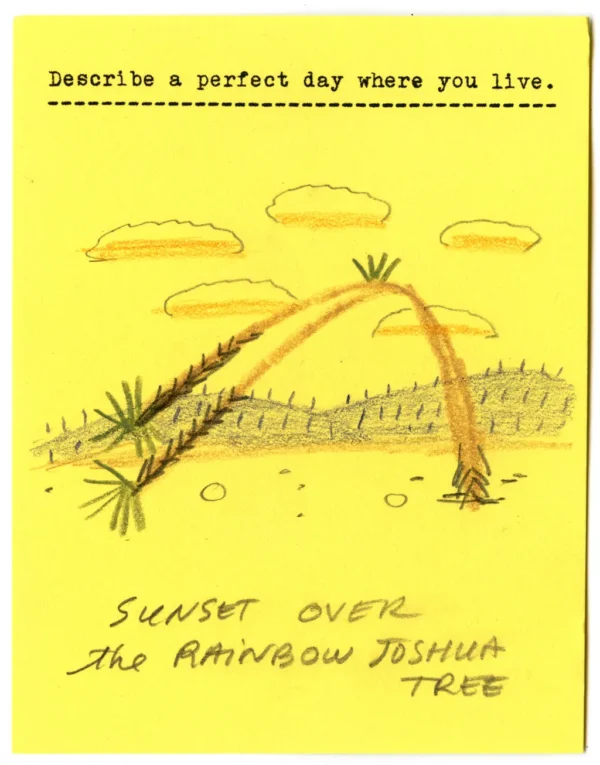
The latest typewriter interview is with artist Esther Pearl Watson.
(I can’t believe I’ve published 30 of these things!)
The latest typewriter interview is with artist Esther Pearl Watson.
(I can’t believe I’ve published 30 of these things!)
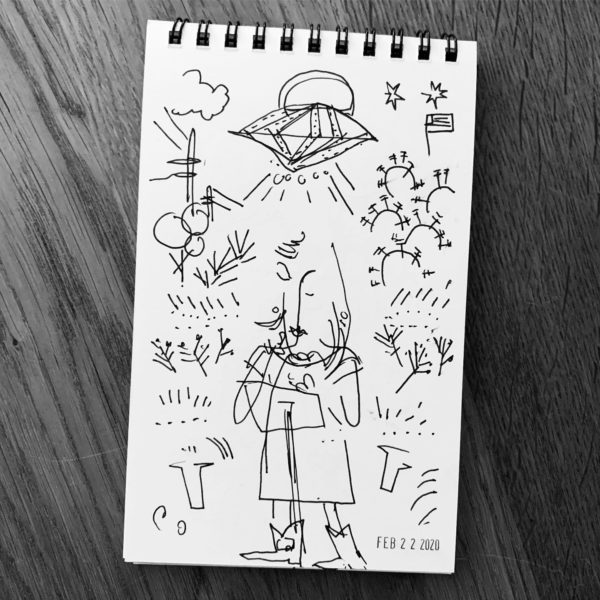
Here are some drawings done in the dark during a Pop-Up Magazine show last weekend. My favorites were, no surprise, two of my favorite artists: Esther Pearl Watson and Liana Finck. (Both of whom I finally got to meet!)
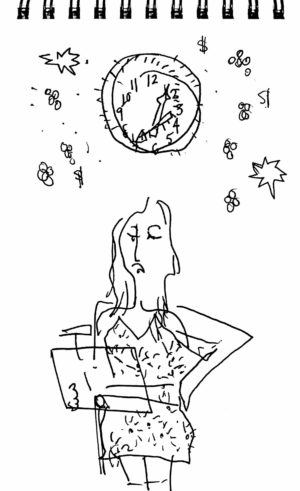
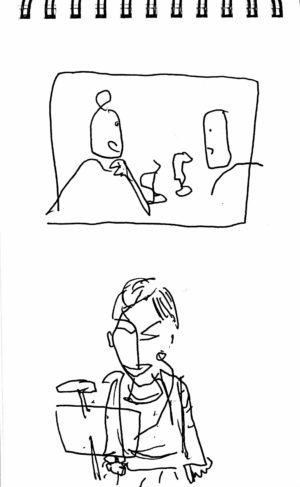
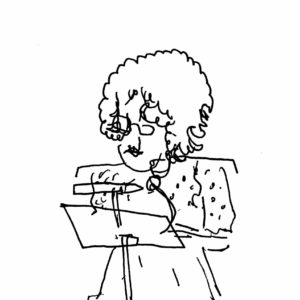
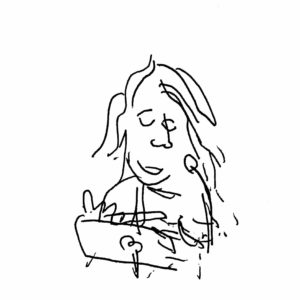
Drawing is often talked about by drawers like me as this ultimate tool for capturing and processing life, but when does drawing pull us out of an experience rather than pull us into it? When does drawing cause us to pay less attention rather than more?
I used to do these kinds of live drawings all the time, and now I find them terribly distracting.
Years ago, when I went to live events, I wanted so badly to be onstage myself that I think I felt drawing was a way of pulling some of that spotlight towards me. Sure, it was a form of sharing, but it was also a “Look at me” kind of thing.
Drawing at performances was itself a kind of performance.
Now that I’m onstage all the time, I want to be offstage. I want to sink into the audience and disappear into the experience. I want to honor the performer by giving them my full attention.
Not sure I can do this while drawing!
So many artists are secretive about their process of making art. As if the magician revealed his tricks the magic would be lost.
Thanks to my wife, I’ve recently become inspired by the crafting community (see my posts on D.I.Y. and Maker Faire.) These folks not only peddle their art, they show you how they made it, and invite you to make along with them.
I’m working on a “how-to” section for my book so that people can try our their own poems. I’ve been pillaging my own favorite how-to books for inspiration. Books that don’t just show you how to make art, they’re works of art in themselves. These books have a spirit of generosity and inclusiveness. They believe that anyone can make art. They invite you to play and make along. Here are four of my favorites:
* * *
One! Hundred! Demons!
by Lynda Barry
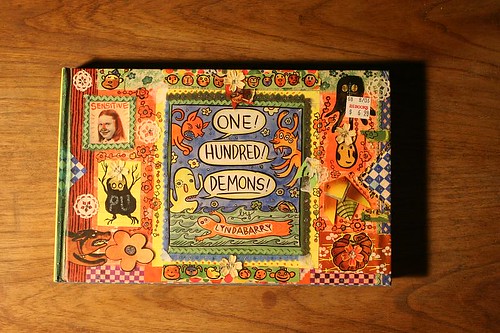

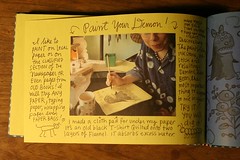

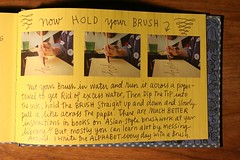
Barry begins her book with a comic strip about how she discovered the japanese sumi-e brush and ink, and how it opened up a whole new world of creativity for her. She says she “hopes you will dig these demons and then pick up a paintbrush and paint your own! Sincerely! Pass it on! I had so much fun!”
And after 200 pages of her “autobifictionalographic” comics, she has a 10-page section in the back detailing what type of brush, ink, and inkstone you’ll need to try your own. “Come on! Don’t you want to try it??”
* * *
What It Is
by Lynda Barry
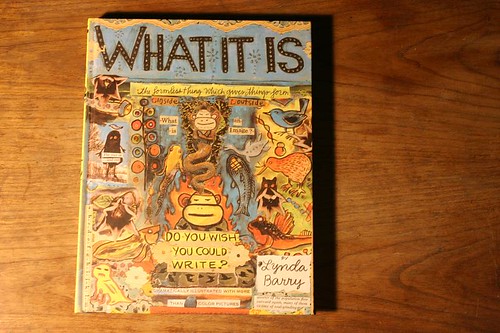
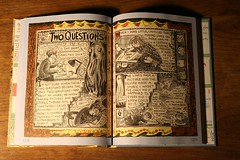
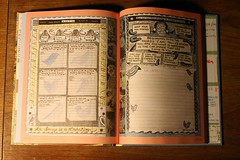
Barry’s next book follows roughly the same structure: half the book is a crazy collage/comic memoir, and the other half is a “how-to” writing workbook based on her Writing The Unthinkable! workshops.
* * *
Whatcha Mean, What’s A Zine?
by Mark Todd and Esther Pearl Watson

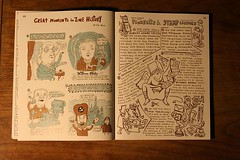
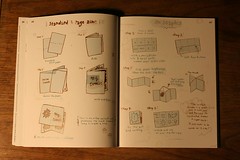
Rad book about making mini-comics and zines. As Mark and Esther say in the introduction, “We wanted to make a book that we would have loved to have found when we first started our mini-comics.” It includes sections by comics superstars like Ron Rege, John Porcellino, Anders Nilsen, and Dan Zettwoch.
* * *
Ed Emberley’s Drawing Book: Make A World
by Ed Emberley
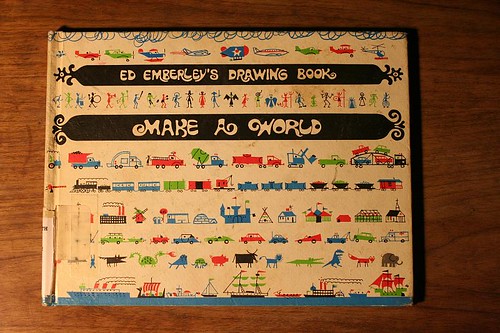
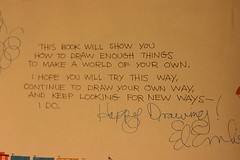
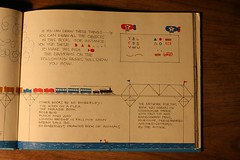
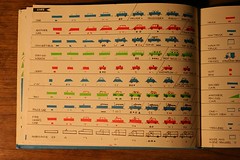
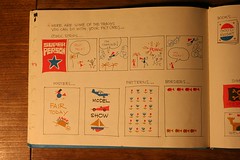
This is a book from the late 70s I’ve only recently stumbled upon. Ed Emberley shows you how to “make a world” with just a few simple shapes, step-by-step. I love the emphasis on simplicity: if you can draw a triangle, a square, a circle, and a line, you’re good to go.
Here’s a great little video review of the book by Chris Glass.
* * *
What are your favorite “how-to” books?
This site participates in the Amazon Affiliates program, the proceeds of which keep it free for anyone to read.